


Yesterday Rachel and I met a woman who has been staying with our neighbor until she can find an apartment. She is an older Indian lady who is getting a divorce from an abusive husband, and yesterday she needed a place to rest until our neighbor came home to let her in.
It is the simplest thing, to let someone rest in your house for a few hours. Rachel didn’t think twice about it. The woman, who may not want to be named, was grateful and told Rachel that over the many years her husband was abusing her not a single neighbor offered help.
That saddened me. I’ve always valued community, and it is for this very reason that we need it. Communities help each other, even if it just means a cup of tea and a place to sit. The smallest act of kindness like that is often more valued than you might imagine.
Then, this morning I saw a poem on Fb that was shared by my friend Sam. It’s a long poem, and a bit difficult, but it spoke to me deeply about why even little gestures feel important right now. There was no author listed - just this watercolor bird. The poem was originally posted by a man named Brian Lewis. The first stanza captures a lot of what I find myself feeling these days. I think it is what a lot of us are feeling: “The nervous system was never designed to carry the grief of an entire planet.”
It is true – this deep grief about issues too large to even properly comprehend. But after describing the feeling in depth, the poem wraps back into the things just like the simple story from yesterday.
I’ll paste the whole thing below. I hope it brings something to your day as well.
- Nelson
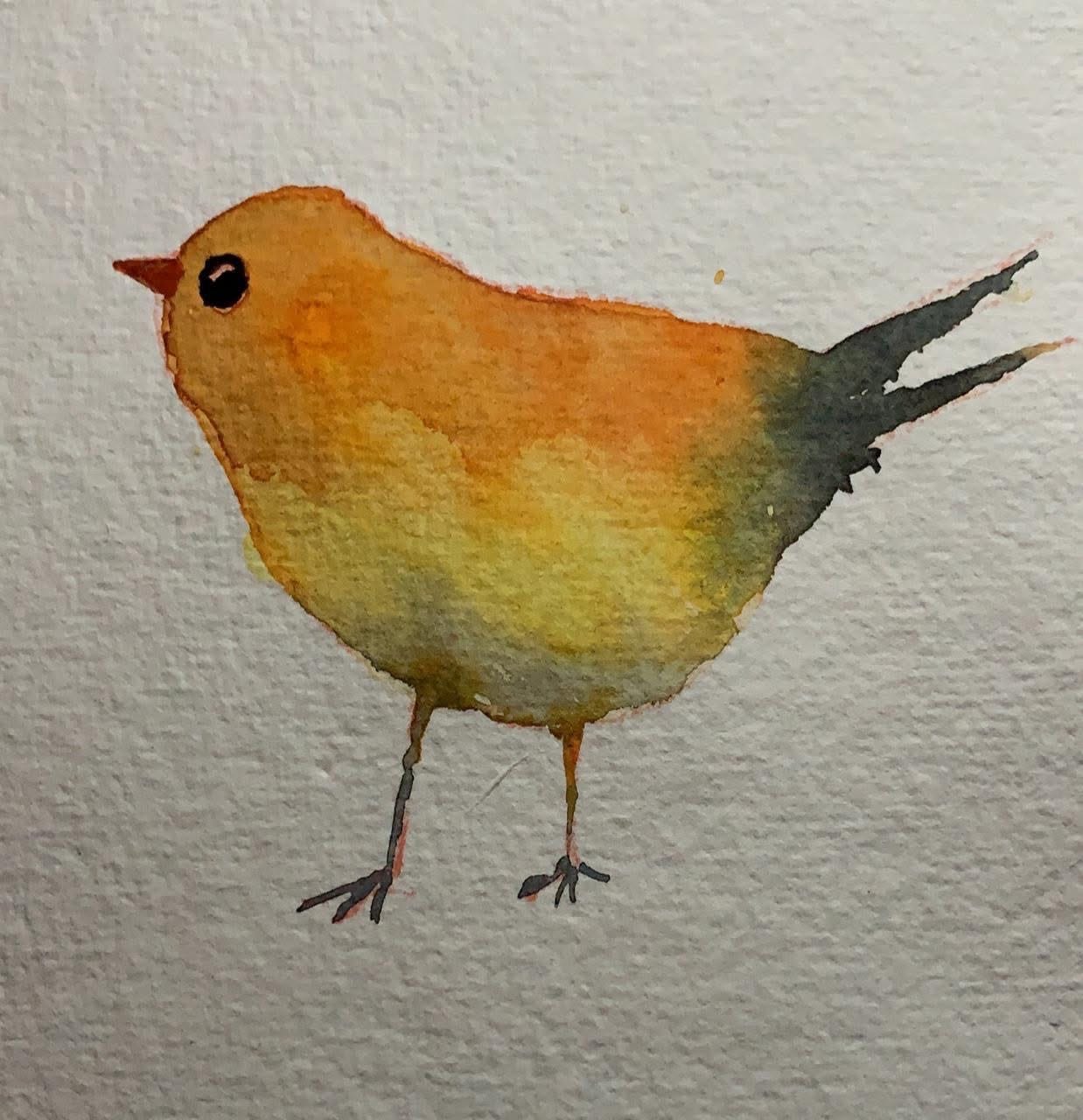
To Remain Human
The nervous system
was never designed
to carry the grief
of an entire planetYet here we are
A child starving
crosses our screen
between weather reports
and advertisementsForests burn beside stock prices
Wars arrive
in the same hand
that holds photographs
of our grandchildrenAnd somewhere inside us
something ancient
keeps trying
to respondThis is the exhaustion
few know how to name
Not simply stress
Not simply fear
But the unbearable collision
between the human heart
and the scale
of modern awarenessWe were meant
to know the sorrow
of the villageNow we are asked
to metabolize
the suffering
of civilizationsAnd many are drowning
Some in rage
Some in distraction
Some in endless performance
Some in irony so thick
it becomes a shield
against feeling anything realOthers quietly disappear
inside themselves
their spirits dimming
beneath the constant demand
to remain informed
productive
available
certainThe world keeps shouting:
Choose a side
Move faster
Consume more
Outrage harder
WinBut the soul
does not speak
in that languageThe soul speaks
through silence
through grief, through awe
through the sudden trembling
that arrives
when one human being
finally feels
the reality of anotherThis is why so many people
stand at the edge of breakdownNot because they are weak
But because they are porous
Because somewhere beneath the armor
their humanity is still functioningAnd perhaps
that is what must now
be protectedNot merely ecosystems
Not merely institutions
But the fragile interior capacities
that allow human beings
to remain human inside an age
that profits from fragmentationTo remain tender
without collapsingTo remain informed
without becoming consumedTo remain compassionate
without surrendering discernmentTo stand before suffering
without turning away and yet also
without allowing suffering
to transform the heart
into stoneThis is harder
than revolutionHarder than ideology
Harder than certainty
Because it asks something
few civilizations
have ever learned to cultivate
strength
without crueltyPerhaps this is why
small acts matter so much nowA hand on a shoulder
A teacher
who notices the silent childA man planting trees
whose shade
he will never live to sit beneathA woman refusing
to let cynicism
be mistaken for wisdomThese are not small things
They are the architecture
of psychological survivalThe architecture
of repairAnd maybe the future
will not ultimately be decided
by those who accumulated
the most power
but by those who learned
how to carry immense complexity
without surrendering
their capacity
for loveBecause civilizations do not die
only from invasion
or collapseThey also die
when people can no longer feel
one anotherWhen exhaustion
becomes identityWhen distraction
becomes cultureWhen tenderness
becomes embarrassmentWhen the human nervous system
finally says
enoughBut I do not believe
that ending
is inevitableI think there are still people
quietly rebuilding
the interior worldStill people
teaching children wonderStill people
protecting beautyStill people
who understand
that compassion
is not sentimentIt is infrastructure
And perhaps
the task before us now
is not merely
to save the world
but to become
the kind of people
capable
of inhabiting it together