


Surely you have had one of those moments when you stumble across a tiny thread dangling from the edge of your life and decide to pull on it a little.
There are so many metaphors for life, but I’ve always liked the idea that our lives are like tapestries—long, billowing fabrics that are richly woven from threads of love and heartbreak, abundance and loss, people we adore and despise, and places we long for or desperately try to escape from. Every day we pass a new thread across the end of the fabric, and at the end of the day we tamp it down into the weave. And then every once in a while, we run our hands across the surface and come across a little thread sticking out.
I came across one of those yesterday, and decided to give it a tug.
You’ve probably done the same thing. Maybe you found one of those threads when you were going through a box of letters that you haven’t opened in ages. Or maybe you came across a knickknack that was given to you by a long lost friend. Whatever the thread was, you tug on it a little, and then suddenly, there you are—sitting next to that person in your mind or walking through an old neighborhood, or in my case standing on the ochre earth under a cloudless South Sudanese sky.
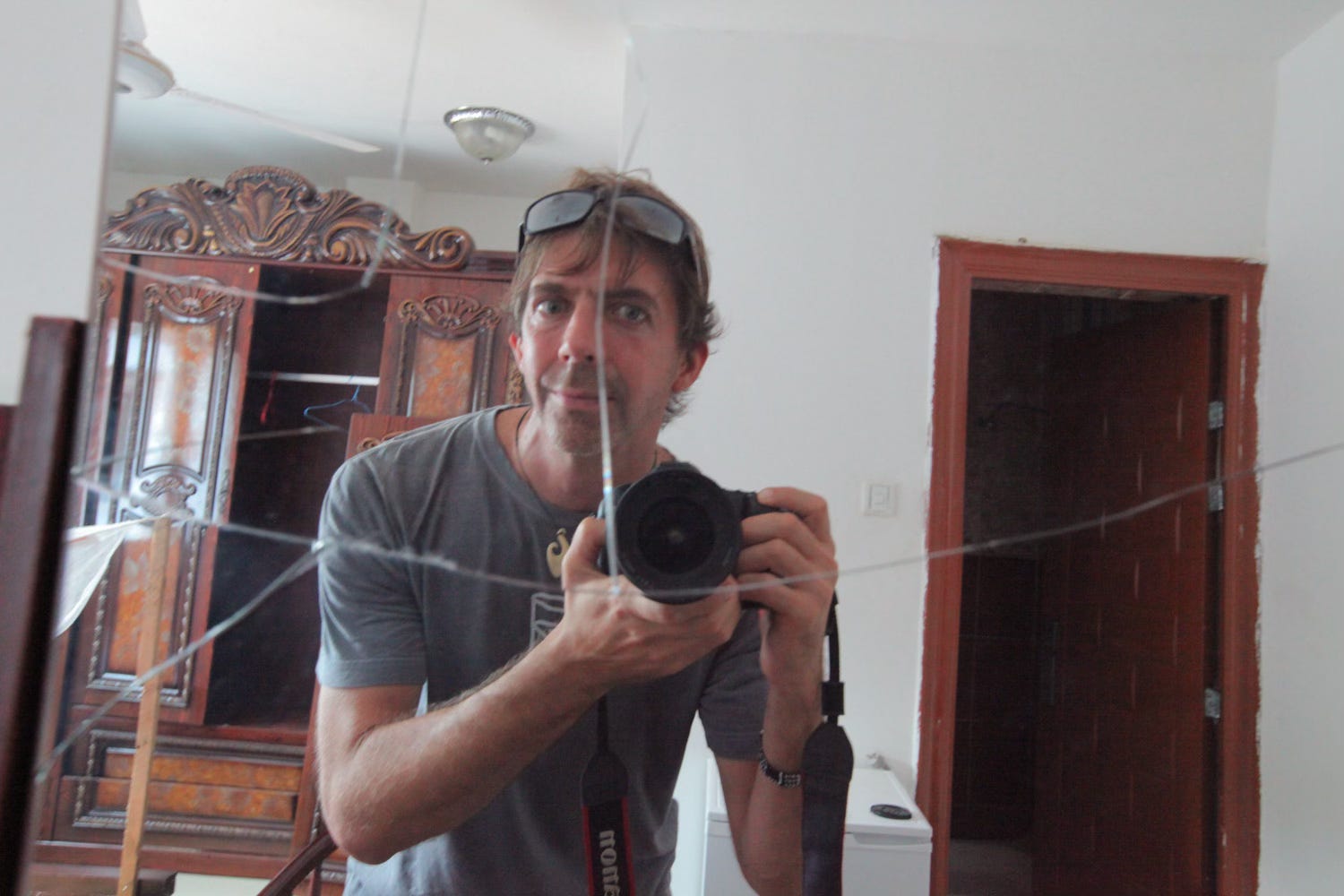
The thread I pulled on this morning showed up as I was culling old contacts on my computer. In 2012, I was working on the border of Sudan and the just newly formed country of South Sudan. I was there to help the US Institute of Peace document their work while also working on my Enemies Project. Sometime in that trip, I found myself sitting next to a young woman named Haley Sands. Like me, Haley grew up in Ohio, and so we got to chatting. She was in South Sudan with an NGO dedicated to helping survivors of child sex trafficking in east Africa. It was a short conversation, but we traded contact info.
When I came across Haley’s name I didn’t recognize who it was until I looked at the notes I’d put in with her contact. Needless to say, I looked her up, and found that she went on to work for the US State Department trying to help communities across the African continent deal with these same types of atrocities. It turns out that Haley was also one of the many dedicated people who were purged when nearly all of the USAID programs were cut earlier this year.
Part of my reason for this post is to share Haley’s story with you, which she wrote in this Substack post: At long last, Paris. Most people in our country have no idea what the U.S. lost when we abandoned so many important aid programs across the world. I’d like to encourage you to read this post. It is both heart-warming and heart-rending.
I’ve always found it interesting how the threads from our deep past can sometimes surface and poke out of the fabric later in life—especially people threads.
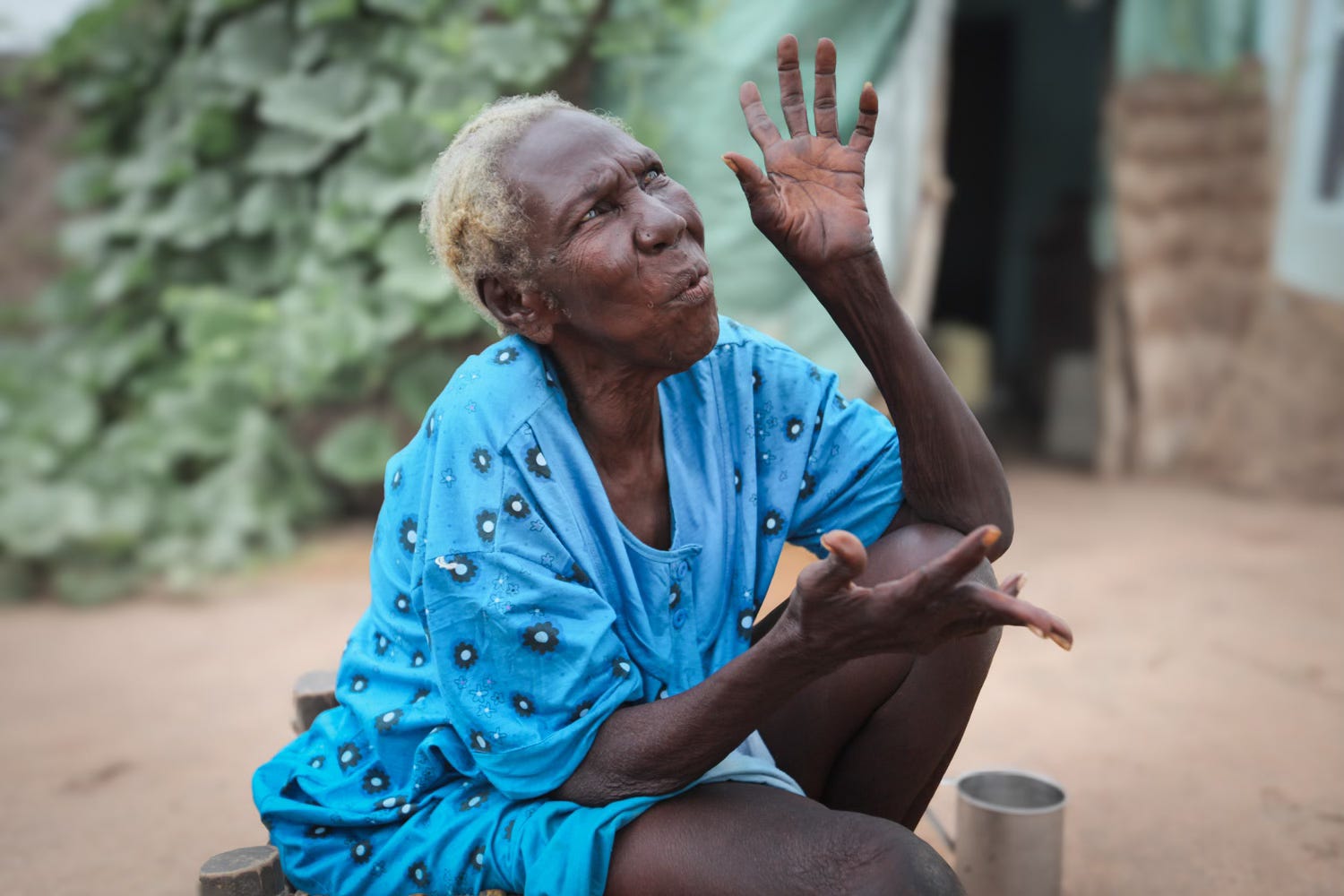
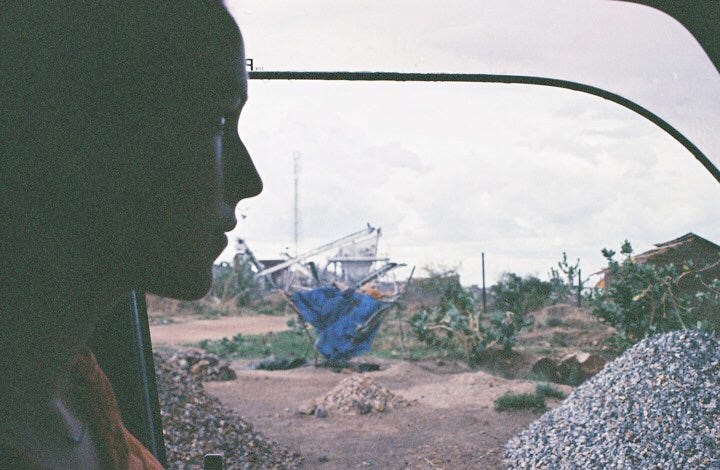
When I pulled on the thread that is Haley Sands, it quickly took me down the rabbit hole of my own time in South Sudan, and the first thing I did was to dig back into the many photographs I have from that trip. There are so many—hundreds of images sitting on a computer hard drive, now so totally remote from the world where I found them. At the time, South Sudan was full of hope—crawling out of a painful era and criss-crossed with dusty red roads picked clean of even the smallest piece of dried maize that may have fallen onto the ground from a UN Aid truck. It was a unique time to be there, and the woman at the top of this post was just one of many people I met who were hoping that the birth of their new nation would help them recover a bit of their normal life.
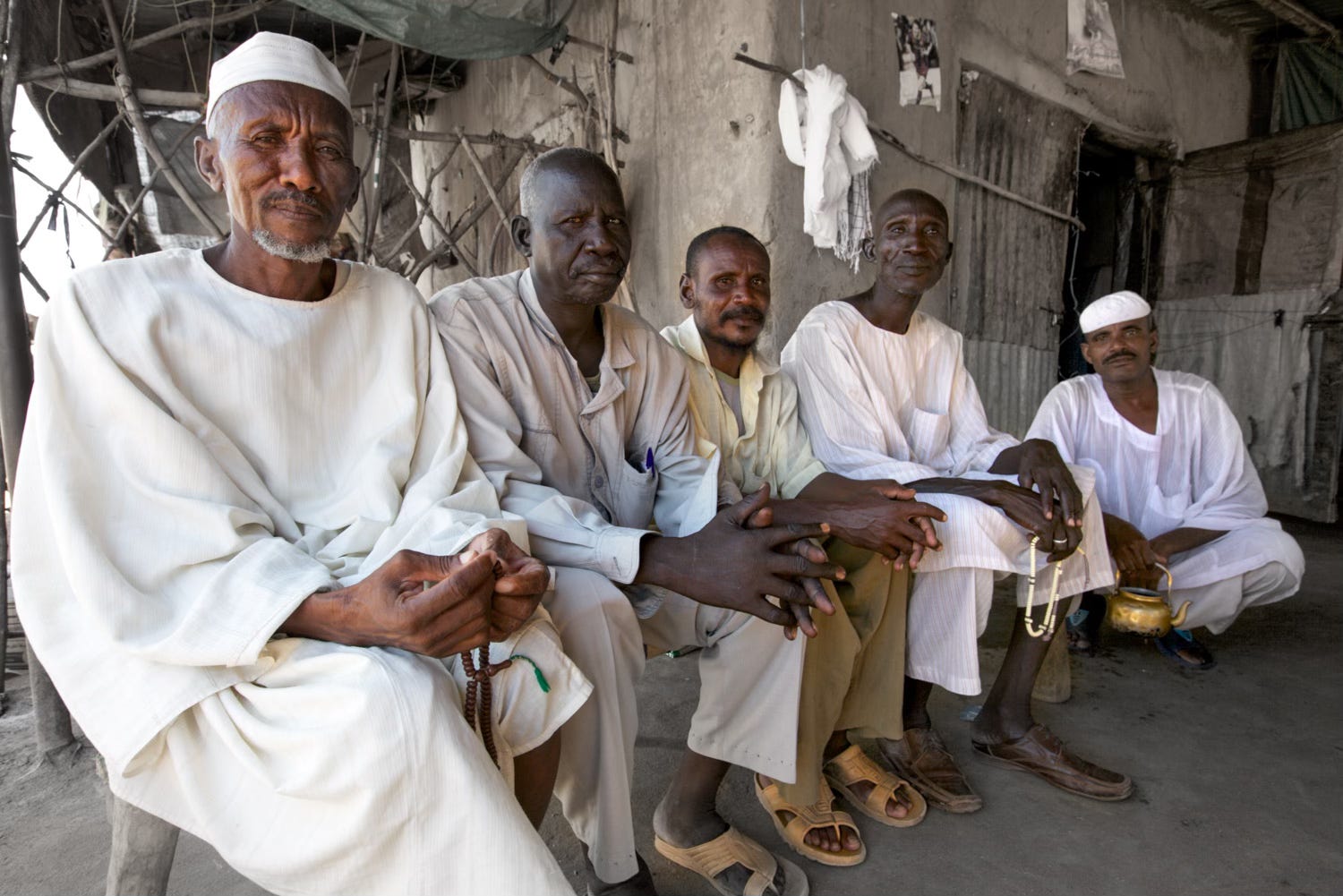
I have never liked sharing photographs that showcase suffering. I know it is important to raise awareness. When the difference between our life experience and the experience of others is extreme, I believe that we should understand it. Still, at some point the sharing of suffering becomes a strange sort of voyeurism, which I don’t like being a part of. Some people call it “poverty porn.” It is something that I wrote a bit about in A Cat in Sancerre, because some of the main character’s experiences as a photographer are modeled after mine.
In her post, At long last, Paris, Haley Sands talks about experiencing “vicarious trauma” or PTSD from her work with survivors of horrific situations. I can attest that it is a real thing, because I had a similar experience after my Enemies Project.
When I was in South Sudan I realized that I didn’t want to go down the path of documenting tragedies. Instead, I tried to photograph peoples’ lives in a way that helps us connect to them while at the same time understanding our differences. It is exactly what I like to do now when I write.
Working in places that are filled with needless suffering is very hard. But as anyone who has done that sort of work knows, life is complex. It is full of beauty and compassion in the places where you least expect to find it. I’m glad that I rediscovered Haley, because I am excited to watch where her life goes as she rebuilds from the important work that she was doing.
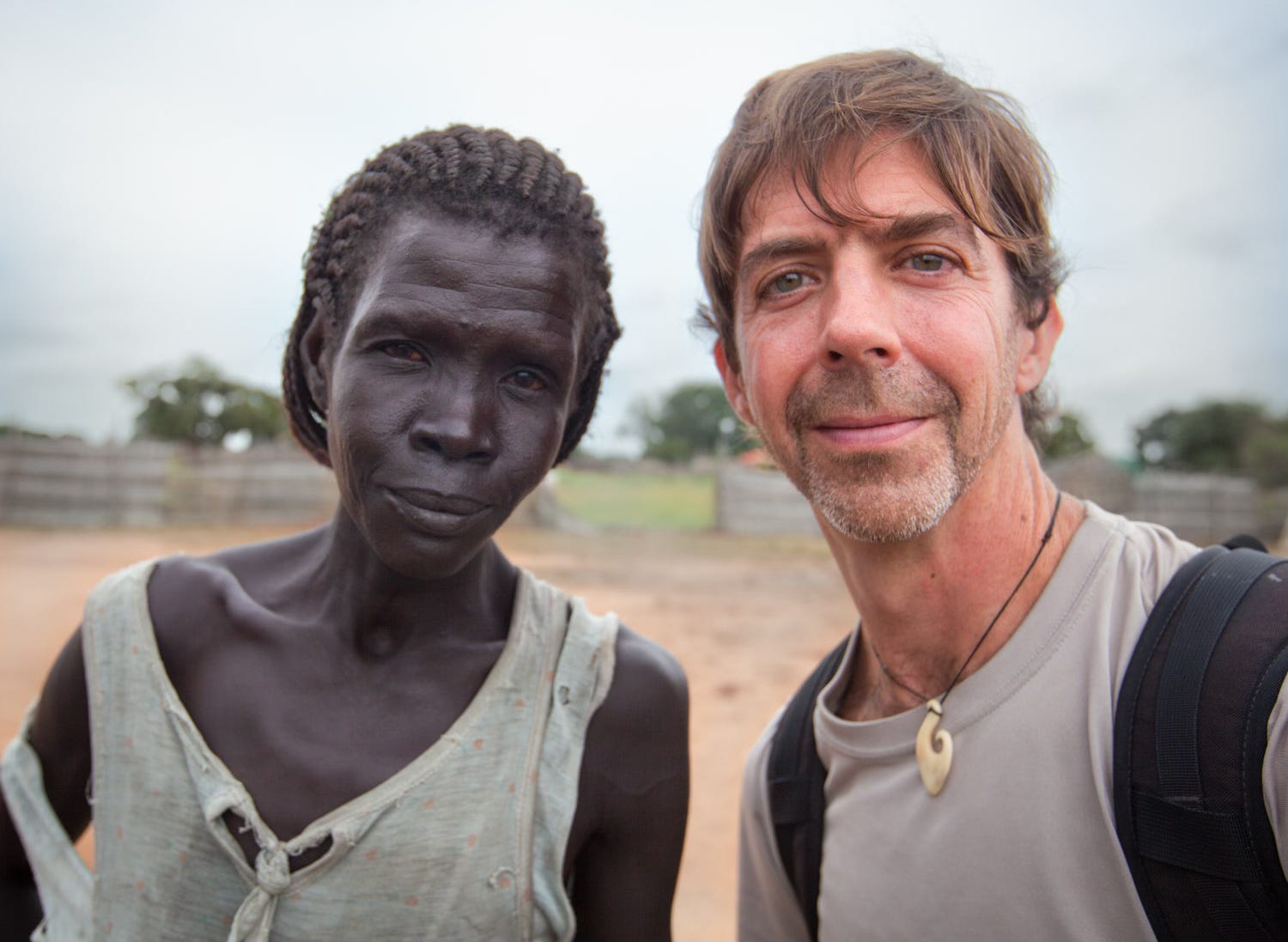
I exported a dozen photographs that I thought of including in this post, but I think I’ll stop here with this one. I could write an entire essay about this one photograph, but the thing that first comes to mind is how incredibly, insanely beautiful the people of South Sudan were. Was I able to bring anything at all into their lives? I doubt it, but they certainly brought a lot into my life.
May peace be with you all in this holiday season. 🙏🏼🙏🏽🙏🏿
Beautiful and so needed. Connected with this is so many ways and look forward to explore of yours, and Haley’s, work more. Thank you for sharing. ❤️
Nelson, how beautiful! Thank you so much for sharing my writing and how wonderful to be reconnected. Over the years, having lived and work in so many places now, the connection I share with others in South Sudan at that moment in time is truly such a bond. It’s impossible, I find, to really understand unless one was there and what a gift of perspective, humility, and gratitude. 🙏🏽